
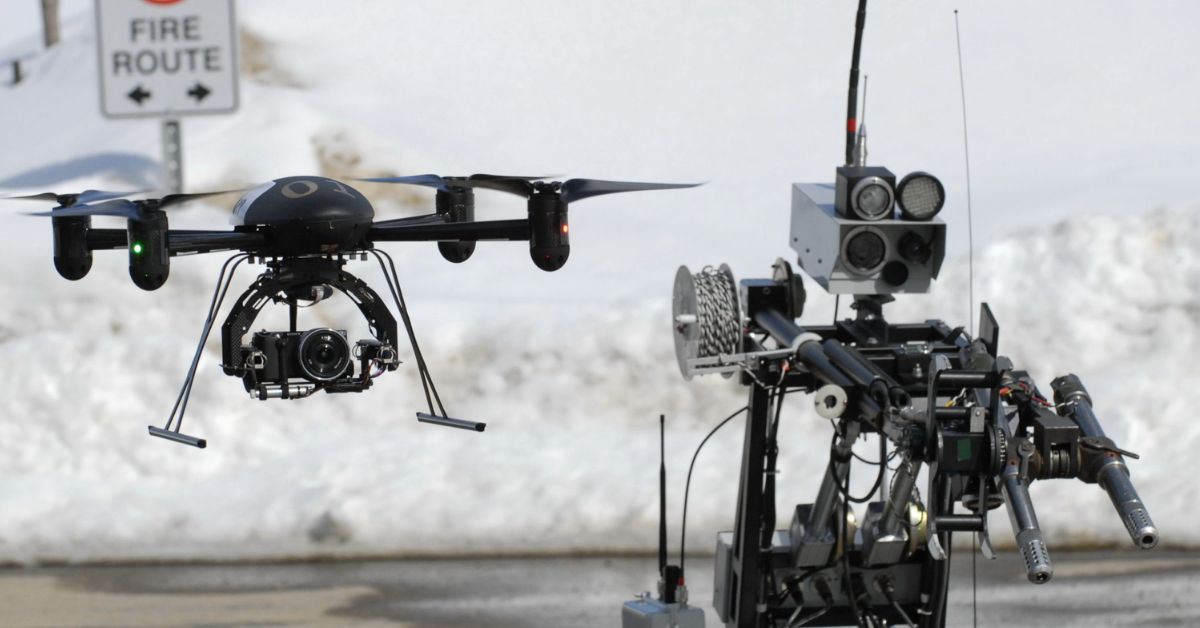
As modern warfare and security operations increasingly integrate digital systems, a new battlefield has emerged that exists not in terrain but in code. The rise of technologies such as smart guns, networked drones and AI-driven surveillance tools has introduced vulnerabilities that traditional defense protocols were not designed to manage. Sonoran Desert Institute (SDI), accredited by the Distance Education Accrediting Commission (DEAC), offers online coursework in firearms technology and uncrewed systems, providing students with a foundation to understand the changing landscape of modern weapon systems.
These advanced systems are not merely mechanical because they function as nodes within complex data ecosystems. From encrypted drone communications to firearm lockout mechanisms controlled by biometric sensors, each digital touchpoint introduces potential vulnerabilities. Recognizing the critical role of cybersecurity in defense readiness and operational reliability, professionals must be equipped to navigate both the physical and digital dimensions of modern weapon systems.
The Expanding Digital Footprint of Modern Weaponry
Modern smart weapons include more than just firepower, as they are equipped with microprocessors, firmware, GPS modules, wireless connectivity, and often artificial intelligence. These enhancements enable advanced features like precision targeting, remote control, personalized access, and real-time diagnostics.
Drones, for instance, can receive mission data via encrypted radio frequencies, adjust their flight paths based on live updates, and even coordinate with ground troops through shared communications protocols. Smart firearms can include Radio Frequency Identification (RFID)-enabled grip recognition, geofencing capabilities, and wireless updates for software and ballistics calibration.
What is at Risk? The Consequences of Breaches
The risks of cyber vulnerabilities in weaponized technology are more than theoretical because they pose existential threats. A single breach can compromise the security, integrity, and safety of personnel, assets, and national interests.
- Hijacked Drones – Malicious actors can take control of an Uncrewed Aerial Vehicle (UAV) mid-flight, rerouting it to crash, gather intelligence or even turn it against its operators.
- Disabled Smart Guns – Cyber attackers could potentially disable or unlock smart firearms remotely, making them either nonfunctional in critical situations or vulnerable to unauthorized use.
- Data Leaks – Defense systems often store operational metadata, coordinates, targeting logs, and user credentials. A breach could expose sensitive tactical intelligence to hostile parties.
- Disrupted Comms – Interference with encrypted communication channels between drones, control stations or weapons platforms can lead to miscommunication or complete mission failure.
In high-stakes defense operations, even a momentary lapse in cybersecurity can mean the difference between success and catastrophe.
Threat Vectors and Points of Exploitation
There are several key points in weaponized tech where hackers may attempt to exploit vulnerabilities:
- Wireless Interfaces – Bluetooth, Wi-Fi and radio frequency channels used for remote updates or control are often the weakest link. If improperly secured, they become easy targets for spoofing or signal interception.
- Firmware and Software Updates – Updates issued Over the Air (OTA) can be compromised if they are not signed and verified with secure cryptographic keys.
- Supply Chain Attacks – Hardware components or software drivers sourced from third-party suppliers may be tampered with before integration, introducing malware or backdoors.
- User Interfaces – Without rigorous authentication protocols, Touchscreens, voice controls and biometric readers are susceptible to brute-force attacks or interface spoofing.
- Telemetry and Command Systems – Drones and smart guns that feed data back to command centers risk packet sniffing, Man-in-the-Tiddle (MITM) attacks or direct compromise of control software.
Each of these attack surfaces must be proactively monitored, hardened, and tested for resilience.
Building a Cyber-Resilient Defense System
Protecting smart weapons and drones begins with embedding cybersecurity into every stage of development, from hardware design and software architecture to field deployment and maintenance.
- End-to-end Encryption – All communication between devices, including drone telemetry, control commands and user authentication data, must be encrypted using robust standards like AES-256 or RSA Public Key Infrastructure (PKI). Encryption protects against signal interception and unauthorized access.
- Secure Boot and Firmware Signing – Devices should only run trusted firmware verified through digital signatures. Secure boot processes ensure that no malicious code is loaded during startup.
- Multi-Factor Authentication – Access to smart weapons or their configurations should require multiple layers of verification, such as biometric scans, PINs, RFID pairing, or time-sensitive tokens.
- Zero-Trust Architecture – Defense systems should assume breach and enforce least-privilege access controls, ensuring no device or user has unnecessary permissions.
- Redundancy and Fail-Safes – In case of detected cyber tampering, systems should be able to default to manual control or enter safe-lock modes, minimizing the risk of catastrophic misuse.
- Regular Penetration Testing – Active stress testing by ethical hackers and cybersecurity professionals helps identify and patch weaknesses before adversaries can exploit them.
The Human Factor in Cyber Defense
Technology alone cannot secure weaponized platforms because trained personnel are equally vital. Many breaches occur due to human errors, such as weak passwords, unpatched software, or misconfigured systems. Proper cybersecurity training must be standard for everyone who handles or operates smart defense tools.
International Standards and Collaborative Protocols
As the cybersecurity of weaponized tech becomes a shared global concern, several defense organizations are working toward international standards and cooperation. NATO, for example, has established cyber defense frameworks and joint exercises to prepare for digital threats.
Manufacturers and defense contractors are forming alliances to create secure-by-design weapon systems. These partnerships include setting encryption benchmarks, threat modeling protocols, and hardware assurance certifications.
Educating the Next Generation of Cyber-Defense Specialists
With the rise of smart weapons, there is an increasing demand for professionals who understand the integration of digital technologies in tactical systems.
At SDI, students gain foundational skills through online coursework in firearms technology and uncrewed systems. These are designed to prepare students to navigate the ever-developing technological landscape of modern defense tools.
Through hands-on training and theoretical knowledge, learners acquire practical skills in firearms and uncrewed systems, equipping them to contribute to the development, operation, and maintenance of advanced defense technologies. As these tools continue to improve, graduates are well-prepared to ensure their functionality and integrity in a wide range of professional settings.
Securing the Trigger in the Digital Age
Smart weapons and drones are powerful tools, but they are only as secure as their code. In today’s interconnected battlefield, cybersecurity is not optional because it is mission critical. As hackers become more advanced and the stakes rise, defense teams must rise to the challenge with encryption, training and built-in resilience.
The future of warfare cannot depend solely on firepower, as it may also hinge on the ability to protect the digital layers that guide, trigger, and inform each operation. Preparing tomorrow’s defense professionals means equipping them with tactical skills and cybersecurity expertise. In a world where even a bullet can be hacked, staying ahead of threats demands precision and digital vigilance.